The word “art” has a positive ring to it. Everybody loves art, but what exactly is it that we love?
The German cultural critic Walter Benjamin saw two major roots in what we now call art. The first is religious or spiritual: art meant to elevate the mind of the viewer. In the Middle Ages, most church art served this purpose, and it still does in many churches today, where images of the Virgin Mary are meant to lift the spirit. The second root is worldly power: portraits of kings and nobles were made to impress and command respect.
Since the Russian Revolution, art has also taken on an educational role: using images to promote the “correct” political views, as Soviet art did in the early twentieth century.
Clearly, the word “art” covers a wide variety of human activities. Is art the act of making something, or can art also reside in an object?
Now that AI can generate images and even poetry on demand, often of stunning quality at first sight, we must ask: is art more than mere decoration? And how do we define the almost metaphysical power that many people see in a painting by Van Gogh, but not in the work of forgotten masters or of painters who have fallen out of fashion?
Recently, an AI-made painting in the style of Francis Bacon sold at auction for more than a million dollars. Does this mean non-humans can produce art too?
Our panel will approach this question from several angles.
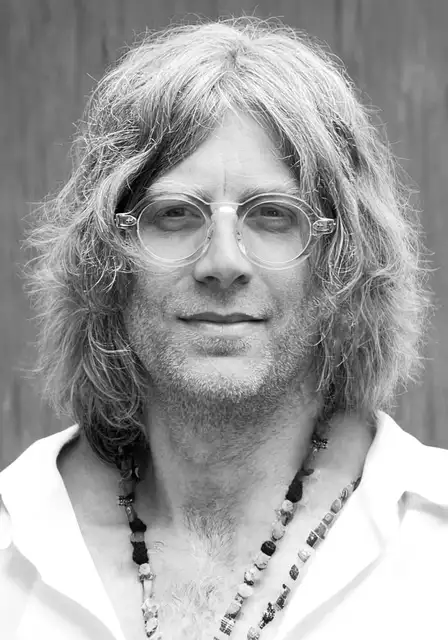
Geoffrey Lillemon argues that images created with AI can carry deeper meaning. They can transform the mind; art, in other words, is in the eye of the beholder.
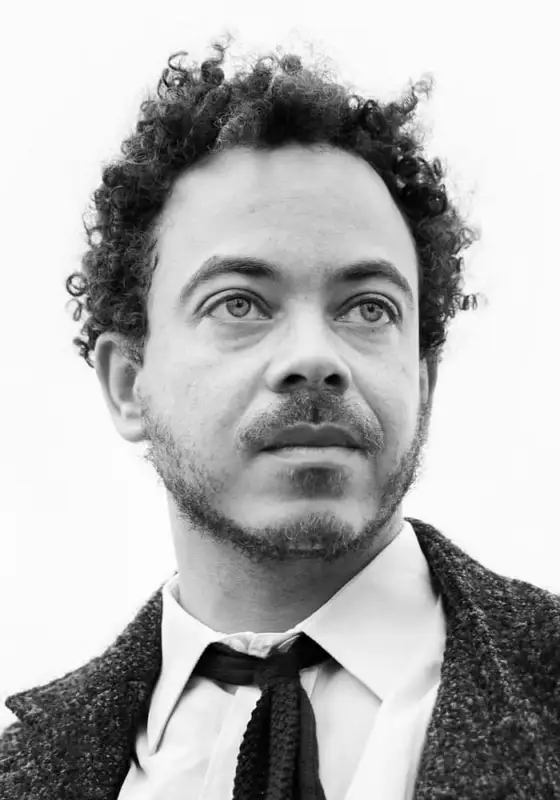
Raoul de Jong recently published Kromanti, the follow-up to his book Jaguarman. Is “Kromanti” a force that, like the images of Mary in Roman Catholic churches, elevates the mind and makes it resilient? And can it therefore be seen as art in its original ritual form, one of the roots Walter Benjamin described?
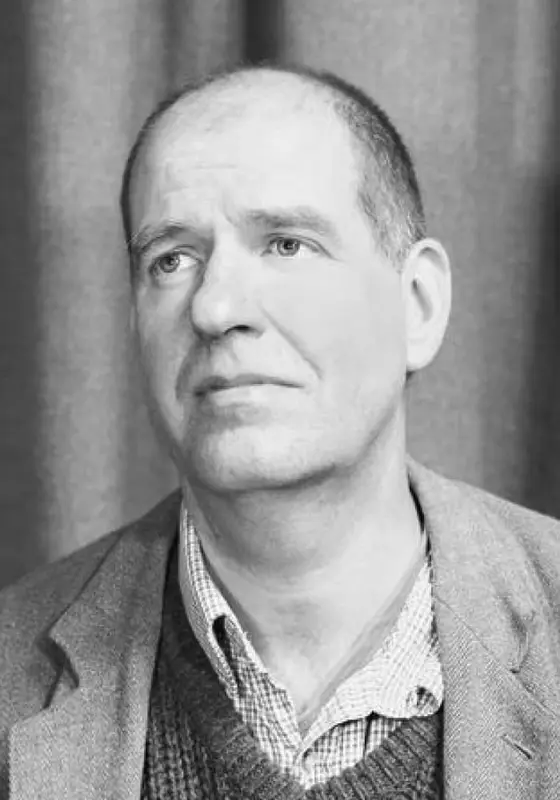
Charles Foster wanted to know what a fox feels on a December night, what a hare feels when chased across a meadow by a hunter, and what a badger experiences as it creeps through the dark. The human brain tends to translate everything into metaphors and patterns, turning our direct experience of trees, sky, sea and animals into clichéd thoughts. Together with his fourteen-year-old son, Foster spent a month in the Yorkshire Dales living off the land with nothing but a flint knife, trying to recapture the original perception of our Stone Age ancestors. Charles holds outspoken views on what art aims to do and on the ritual power it can radiate.
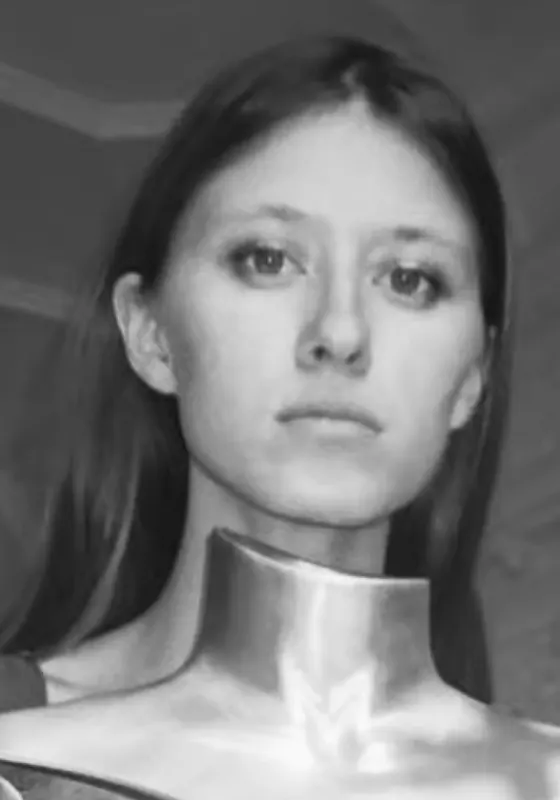
Victoria Trumbull will defend free will and the creative act. Art, she argues, is certainly not the product of manufacturing.