PANEL DISCUSSION
After the West: The Birth of a New Economy
Block Quote
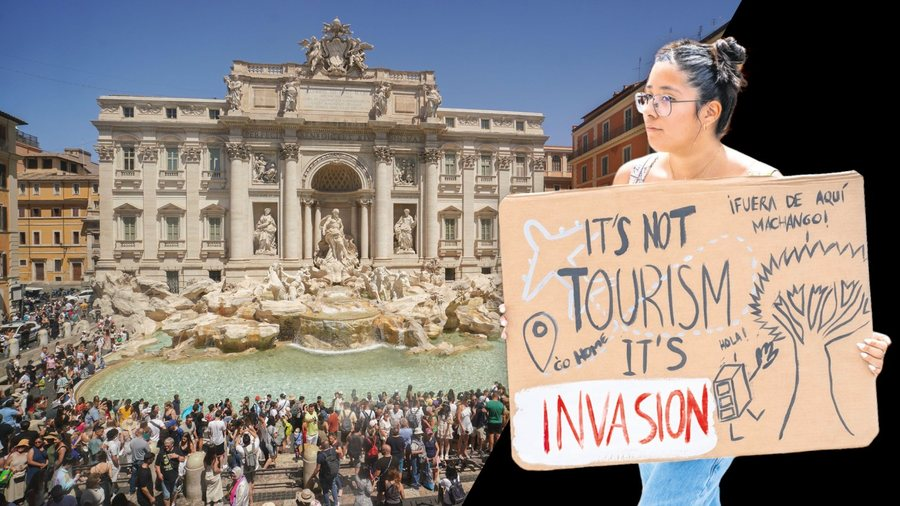
Superpower, museum, or laboratory? Europe in the new world order
The world has new players, and they don’t hesitate. Washington acts. Beijing plans. Moscow takes. And Europe? Europe holds meetings.
Some say this is simply the truth about Europe. “Europe” is a nice word with nothing behind it. A Swede trusts the state; a Frenchman builds barricades against it. A Dutchman counts every euro; a Greek has learned that the euro counts him. What binds them beyond trade? Nothing, the sceptics say. A continent that can’t agree on what is right and wrong will never be a power. Europe’s future is to be the world’s most beautiful open-air museum: admired, visited, irrelevant.
Others say the opposite: Europe must finally grow up. One army, one foreign policy, one voice. Either we unite like the others or we’ll be divided up by them.
And then there’s a third, more unsettling view. What if both camps are wrong? What if trying to copy the superpowers is exactly the mistake?
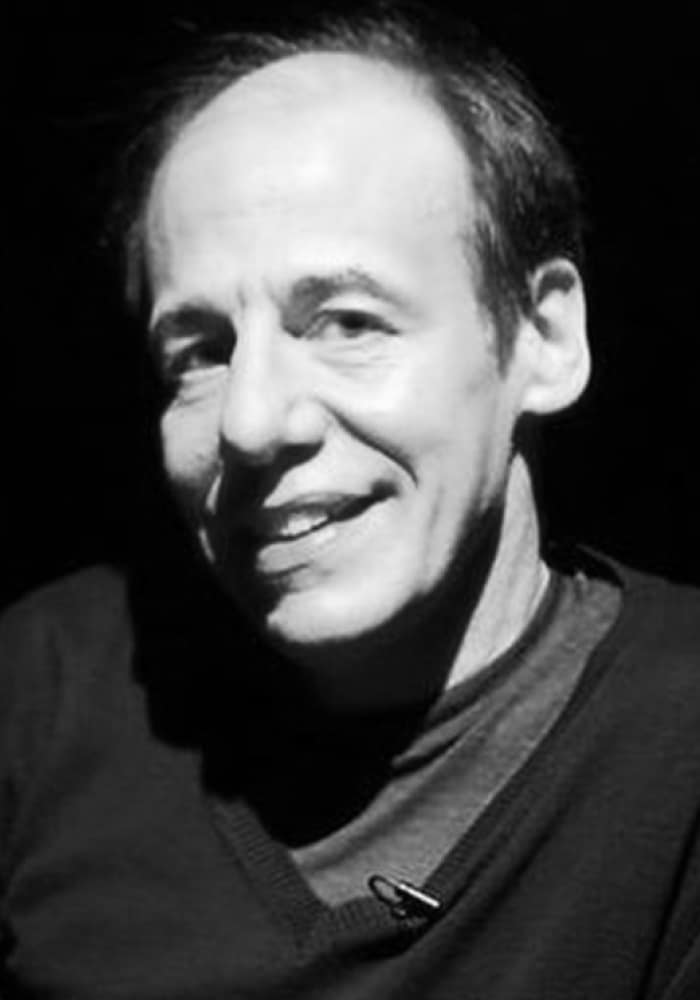
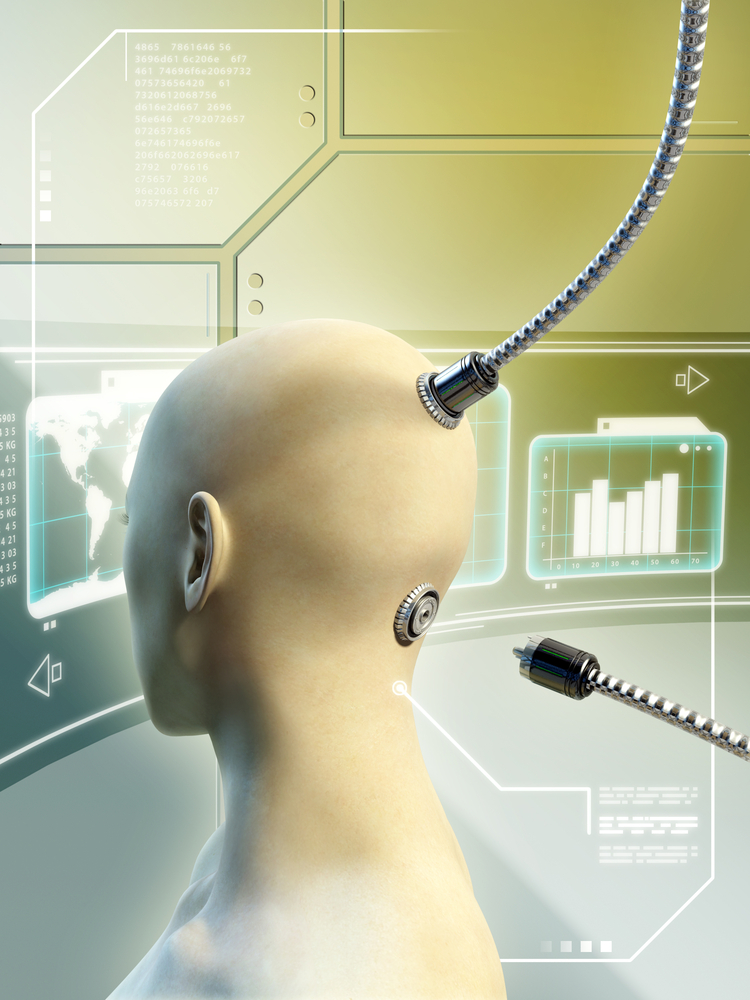
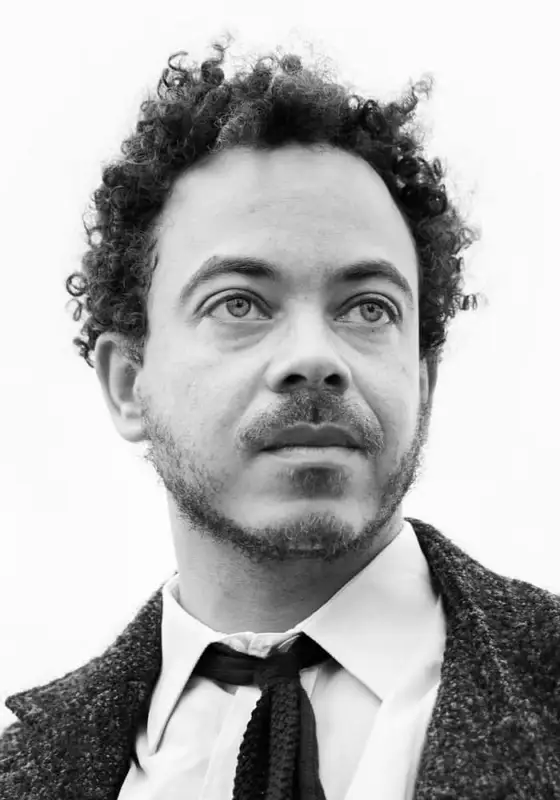
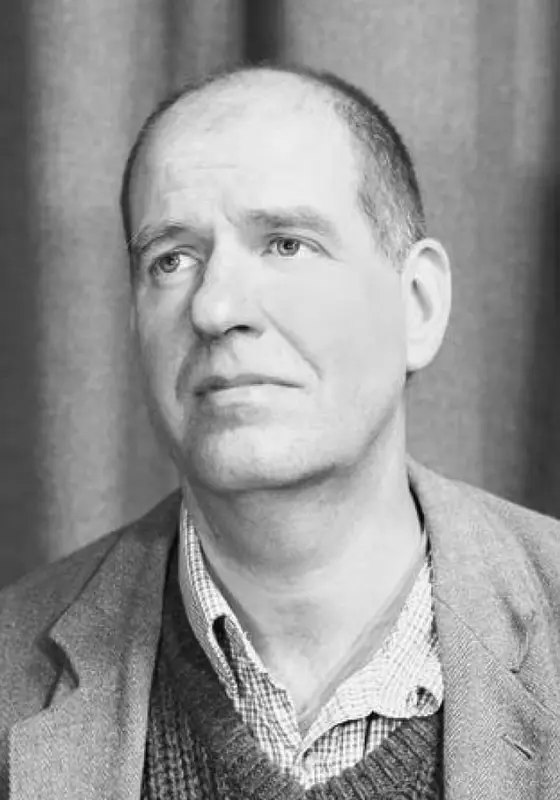
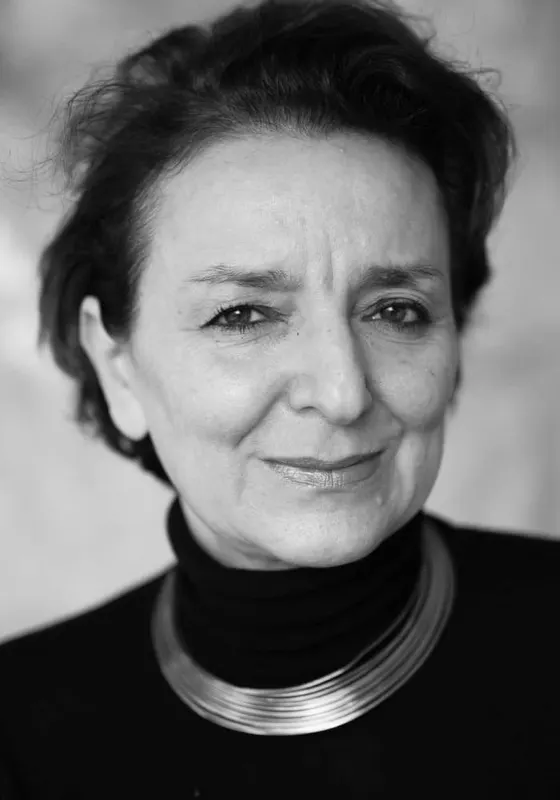
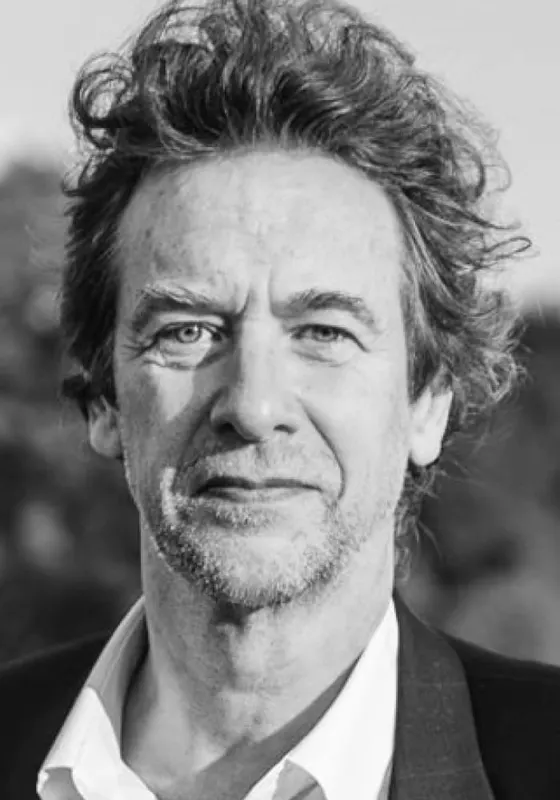
Philosopher Steve Fuller argues there is no eternal human nature. Humanity grew through risk, through pain and disaster, and came out stronger. On this view, technologies that link human brains to computers are not a threat to resist but a frontier to explore. Nobody knows where it leads. But one thing is certain: repeating the past is not the answer. Europe, cautious and regulated, may be the continent most afraid of its own future.
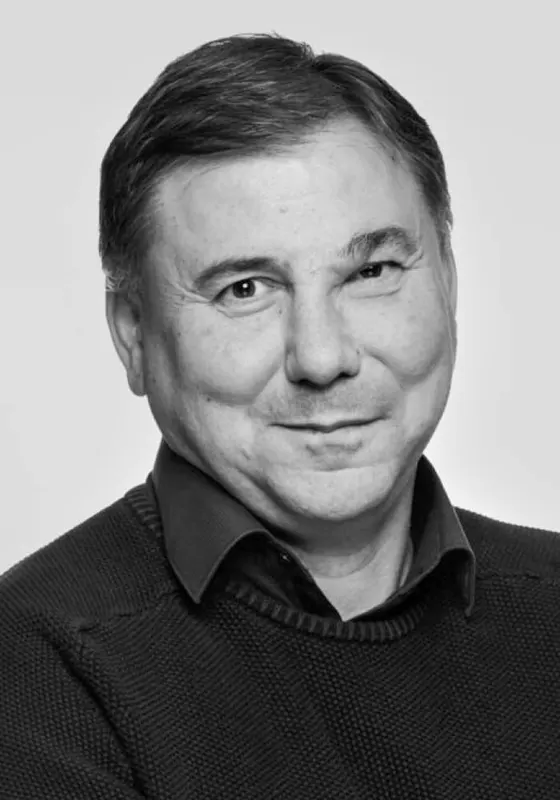
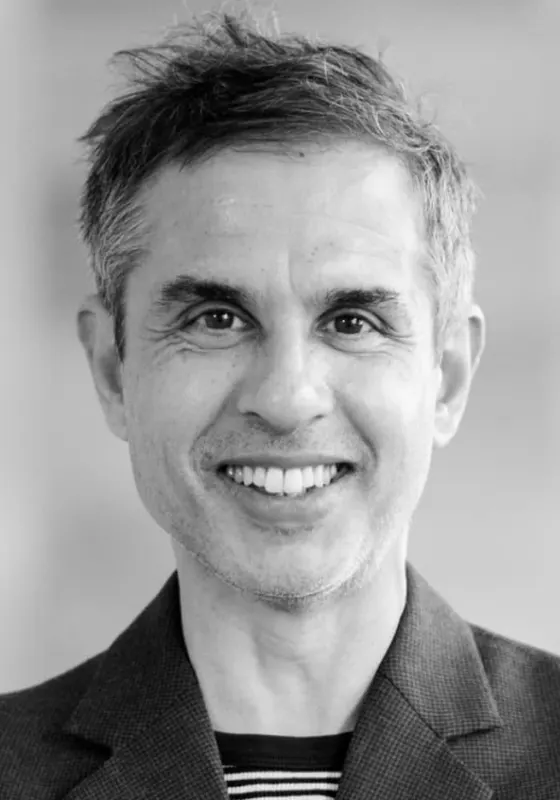
At the same time, thinkers like Rana Dasgupta and Ivan Krastev question the very foundation we stand on. Is the nation state, with its parliaments and its deeply dissatisfied citizens, still fit for purpose? Or are we defending a 19th-century form in a 21st-century world?
So the real question isn’t whether Europe can become a superpower. It’s whether Europe can invent a kind of power no one has seen yet: built on its differences, its art, its literature and its philosophy, on centuries of arguing with itself.
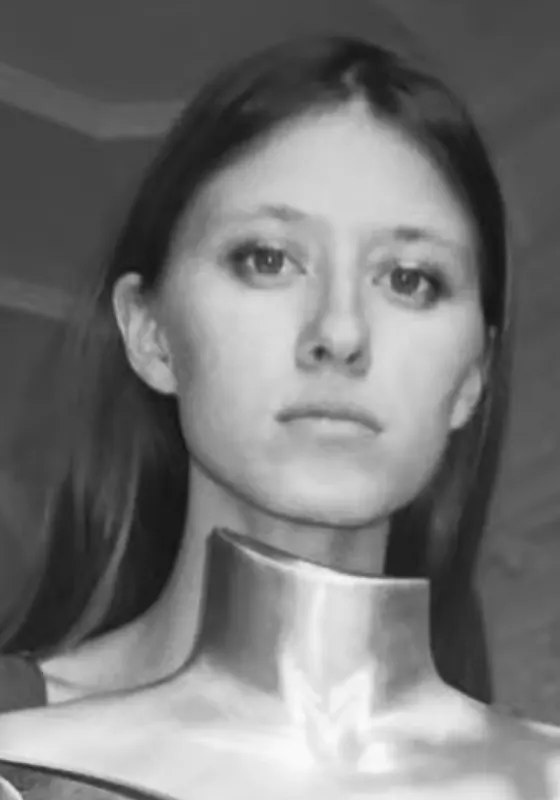
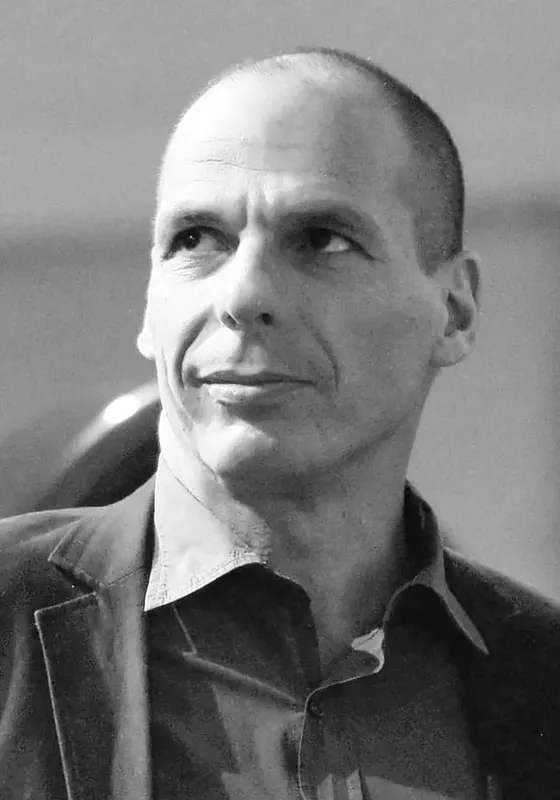
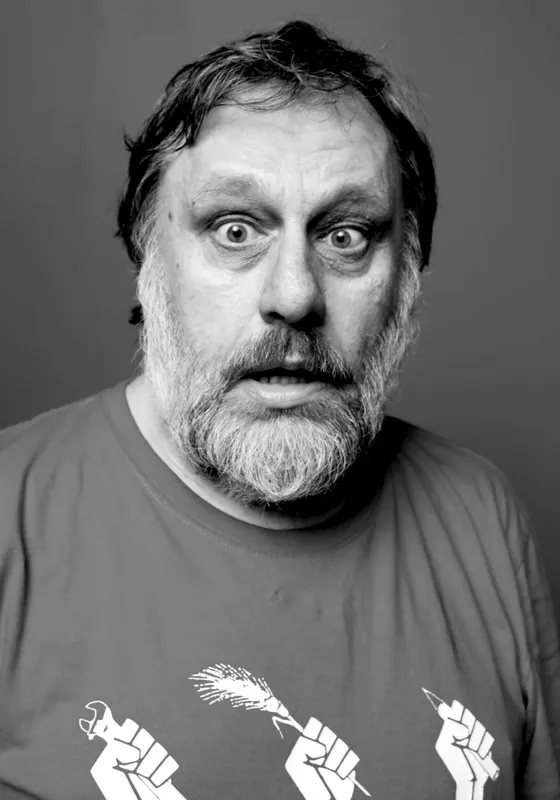
Moderated by Doortje Smithuijsen

LOCATION
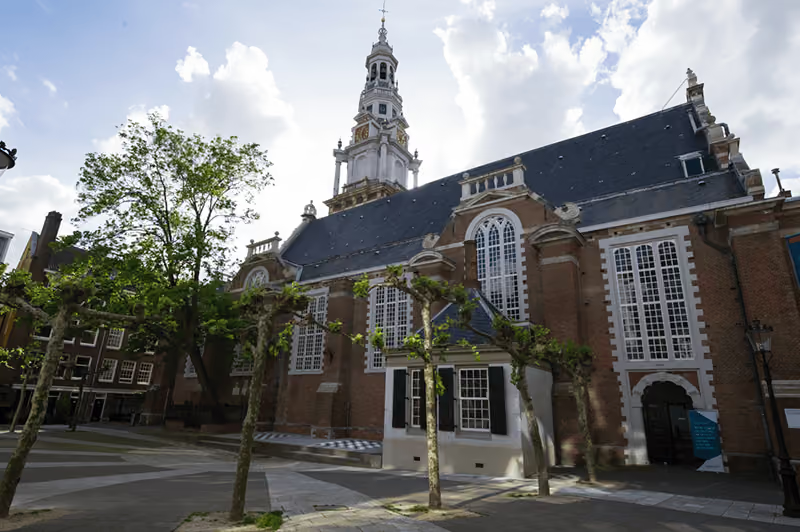
Zuiderkerk
The Zuiderkerk is a 17th-century Protestant church in the Nieuwmarkt area of Amsterdam, the capital of the Netherlands. The church played an important part in the life of Rembrandt and was the subject of a painting by Claude Monet.
Zuiderkerkhof 72,
1011 HJ Amsterdam
Sign up to receive updates on new speakers, posts, and upcoming events.
©2016-2026 Stichting G10 van de economie | KVK 61319023 |
