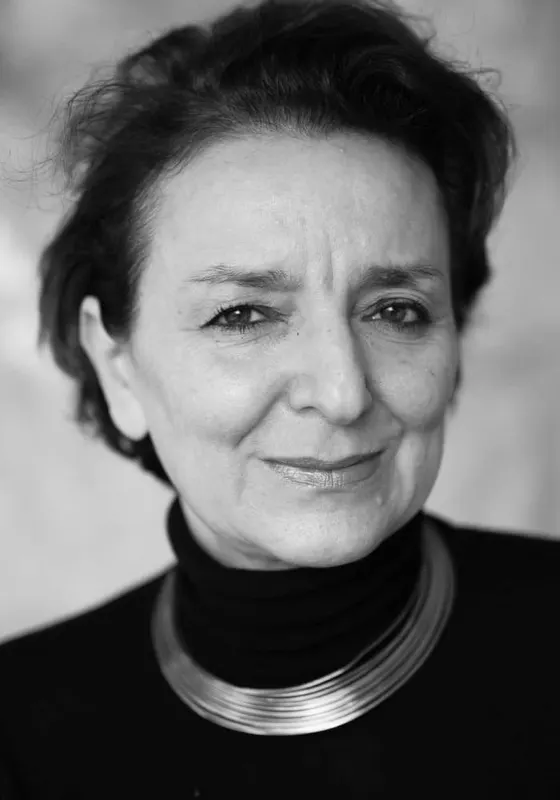
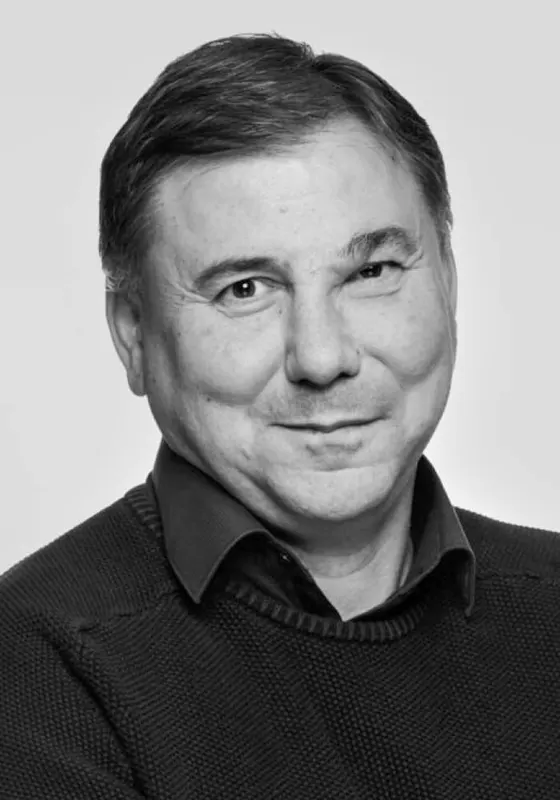
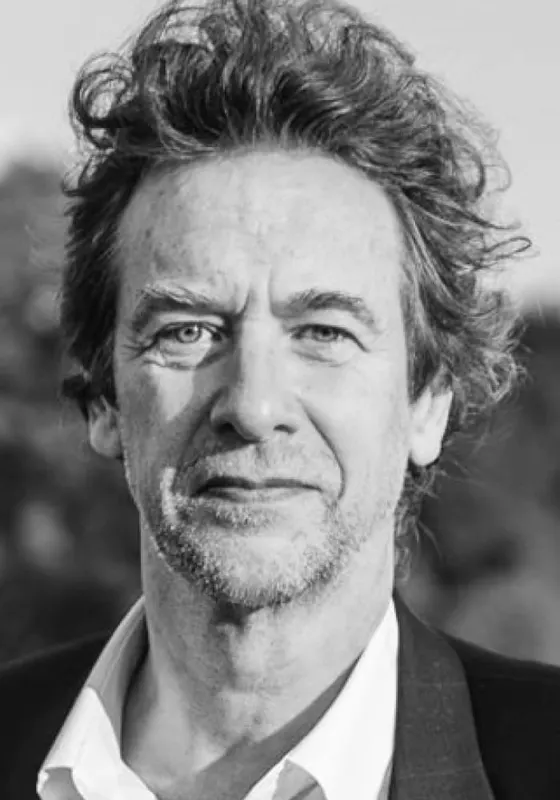
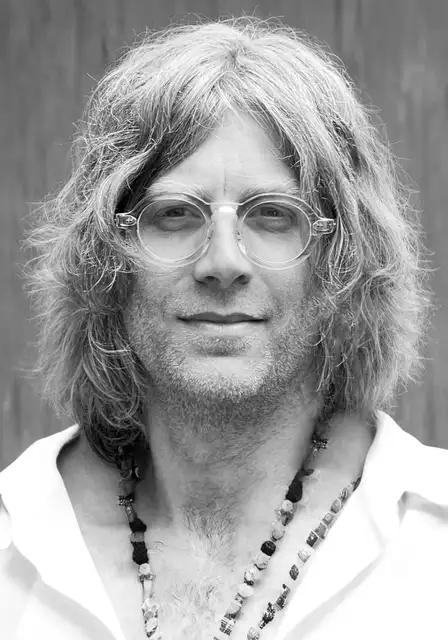
Victoria Trumbull: The Temporal Guardian of the Soul
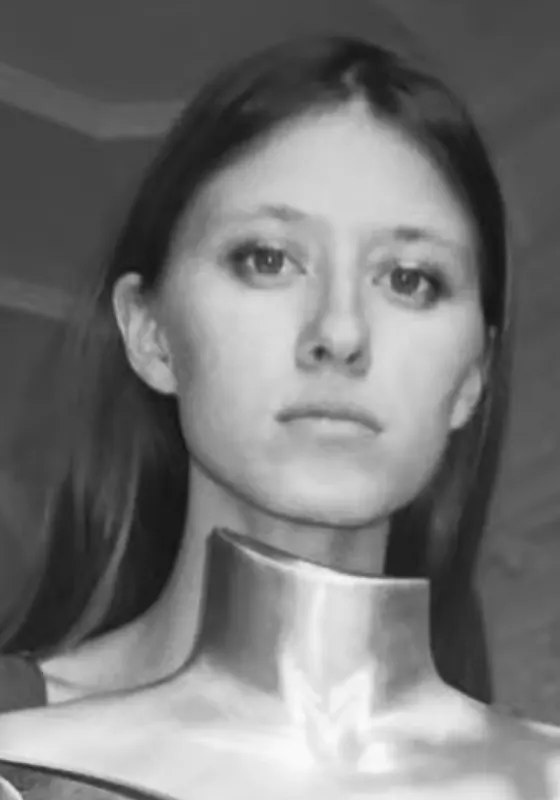
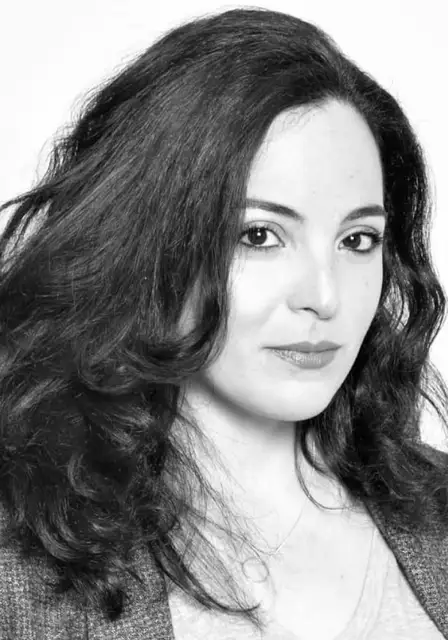
Oxford philosopher Victoria Trumbull takes the most radical stand of the three. In On the Memory of the Soul: Augustine and Bergson’s Metaphysics (Bloomsbury, 2026), she defends what most of modern thought has quietly abandoned: the idea that human beings have a soul as their spiritual core. She rejects the neuroscientific assumption that the mind is nothing more than physical brain processes.
Her central claim is startling. Memories, she argues, are not stored in the brain at all. The brain is not a hard drive. It enables remembering without containing what is remembered. Memory lives in time, not in space. Drawing on Saint Augustine and Henri Bergson, Trumbull describes the self as a fundamentally temporal structure, held together by a continuity that time itself carries. In a universe governed by natural law, consciousness is where the possible becomes actual. It is the only truly creative force there is.
That is why Karel cannot have what we have. A machine works through step-by-step algorithms in a timeless present. It does not age, it does not die, and it has no history. The human soul experiences the world from within, qualitatively, as a being embodied in time. Reduce people to “organic customers” managed by such systems, and on Trumbull’s account you are not optimizing human life. You are erasing the very thing that makes it a life.
Anil Seth: The Biological Reality-Creator
Neuroscientist Anil Seth, author of Being You: A New Science of Consciousness, approaches the mind as a biologically embodied “prediction machine.” He agrees that AI lacks a flesh-and-blood imperative, but his materialist view, in which the brain constructs reality from moment to moment, bypasses the temporal and historical continuity that Trumbull champions.
“Consciousness is not a ghostly entity; it is a biological mechanism. Our brains are prediction engines, continuously generating a ‘controlled hallucination’ to keep us alive. AI lacks this flesh-and-blood imperative. So the immediate threat is not that AI will suddenly develop a soul, but that its overwhelming predictive power will hijack our own biological machinery, trapping us inside an optimized, synthetic reality of the algorithm’s making.”
Simon Critchley: The Poetic Rebel
Philosopher Simon Critchley throws a wrench into both Seth’s biological mechanism and Trumbull’s spiritualism. Pointing to the chameleonic nature of the human spirit, from the fluid identities of David Bowie to the theatrical catharsis of football, he locates our strength in our ability to subvert expectations and reinvent who we are.
“The automated future signals the death of tragedy, irony, and transformation. Humans are theatrical creatures. Like Bowie, we can put on a mask, mock our own existence, and reinvent ourselves from the ashes of our errors. AI cannot understand irony, nor can it fail on purpose for the sake of beauty. If we surrender our world to the sterile efficiency of algorithms, we doom ourselves to a flatline existence. True humanity is found in our glorious, poetic imperfection.”