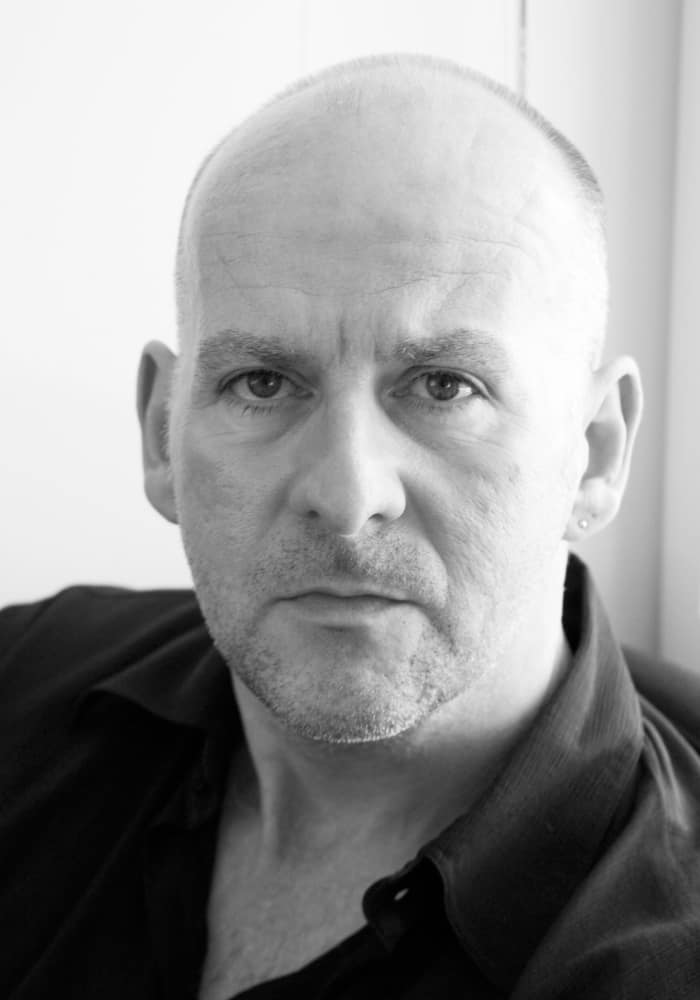
English writer, traveller, professor, veterinarian, taxidermist, barrister and philosopher
Charles
Foster

Block Quote
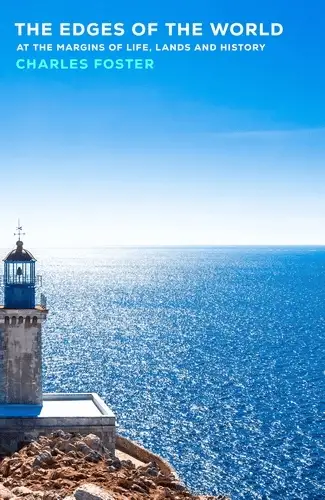
The Edges of the World
The Edges of the World: In the margins of life, lands and history is just out. It is far and away the most important book I’ve ever written, and the most difficult to write. A summary, from the PRH site: We tend to think that everything important comes from the centre: from big cities, from established orthodoxies in the sciences and the arts, from the Establishment in all its forms. We think this because the centre tells us it is so, but it’s a lie. It is only at the edges that we think, innovate and thrive.
This book travels to the far frontiers of the planet, and of human culture and consciousness; to the edges of continents, of evolution, of artistic and political movements, and of life itself: from a rocky precipice in the Peloponnese where the first human set foot in Europe to an ancient Egyptian temple where monotheism was invented; from St Francis, kissing lepers’ sores to the giant bird-eating mice of St Kilda.
Why do we stare at sunsets? Why do we celebrate birthdays and grieve for those who are gone? Why do all adventures begin when we leave and get lost? Who has the better view of reality – the Government or the dispossessed? And what happens when we live with the knowledge that we’re all teetering on the edge of the dark?
Nothing significant has ever happened or could in principle happen at the centre of anywhere. All innovation, in every domain (including evolution, the arts, politics and religion) occurs at the edges. Evolutionary innovation, for instance, cannot occur at the centre of a population - at the center of genetic orthodoxy - for such centres are stable. Humans have evolved at and for the edges: we are quintessentially edgy people, and our thriving consists in acknowledging this fact and living in its light. This talk looks at this idea from a number of different viewpoints, and tries to construct a less unsatisfactory anthropology than that dictated by the ruling, self-serving, centrist view of history, and so to ask: How, being edge-animals, do we live best in a cosmos best described as a meshwork of edges?

More about Charles: https://charlesfoster.co.uk/



LOCATIE
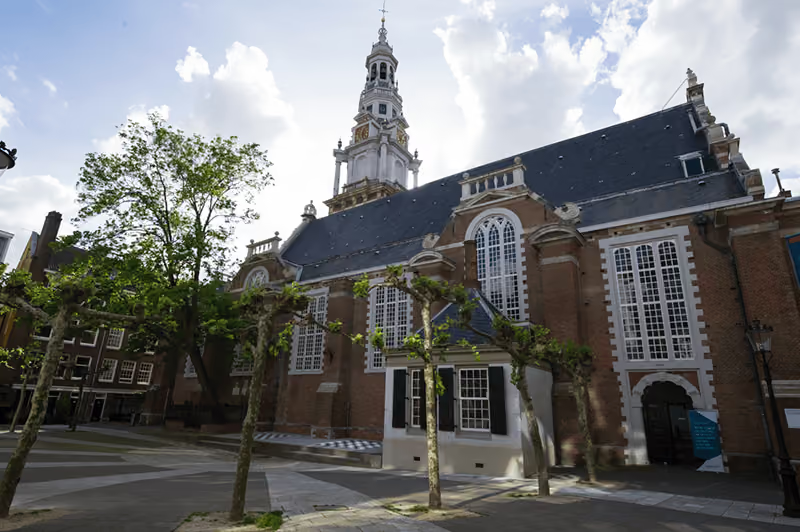
Zuiderkerk
De Zuiderkerk is een protestantse kerk uit de 17e eeuw in de Nieuwmarktbuurt van Amsterdam, de hoofdstad van Nederland. De kerk speelde een belangrijke rol in het leven van Rembrandt en was het onderwerp van een schilderij van Claude Monet.
Zuiderkerkhof 72,
1011 HJ Amsterdam
Schrijf je in om op de hoogte te blijven van nieuwe sprekers, artikelen en aankomende evenementen.
©2016-2026 Stichting G10 van de economie | KVK 61319023 |
